
Everyday Tech
How do batteries work? How much energy is your plugged-in gadget using? How do UPC codes work? Find this out and more with Everyday Tech.

Seniors May Be As Hooked to Smartphones As Their Grandkids

5 Ways Technology Has Negatively Affected Families

What life skills can video games teach kids?
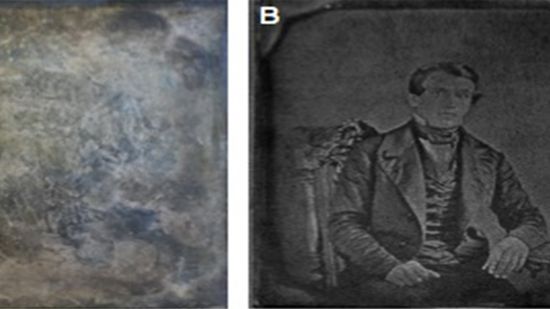
New Technology Revives Tarnished Daguerreotype Ghosts

13 Iconic Photographs That Captured the World's Imagination
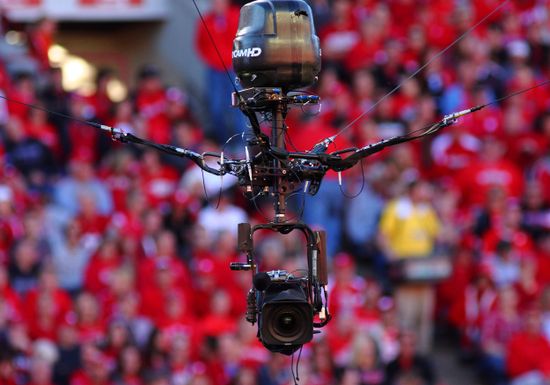
How Skycam Works

8 Jobs AI Will Replace and 8 It Won't (Yet)

Times Science Fiction Movies Accurately Predicted Future Technology

We're Getting Closer to the Quantum Internet, But What Is It?
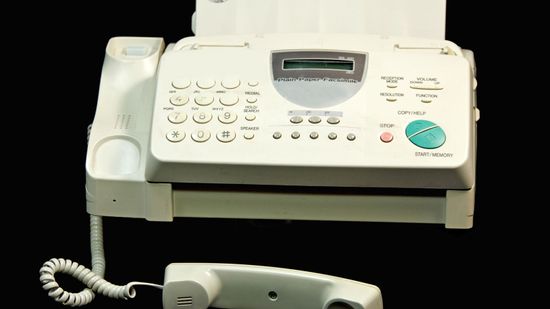
People Still Use Fax Machines, But, Um, Why?

How Rolex Came to Rule the Wrist

New MIT Headset Can 'Hear' Your Thoughts and Respond

Run, Jump & Climb Your Way Through Our Roblox Quiz

Can You Survive Our Minecraft Quiz?
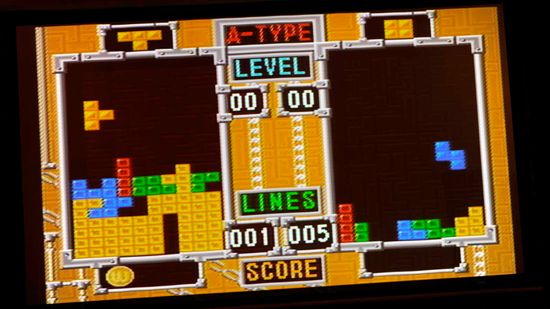
How Tetris Went From Soviet Mind Game to Smash Hit

QLED vs. OLED: Weighing Different TV Options

How to Look and Sound Good on Your Videoconference Call

Can You Fix the Dirty Screen Effect?
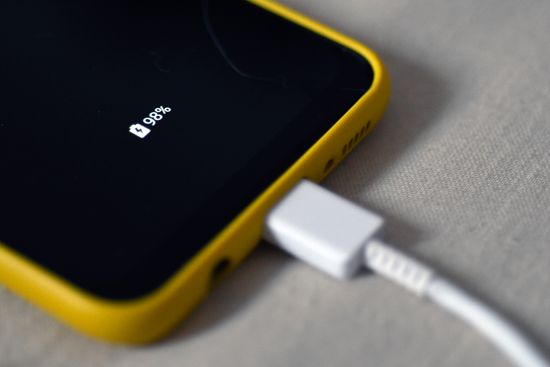
What Does Airplane Mode Do? And Can It Save Battery Life?
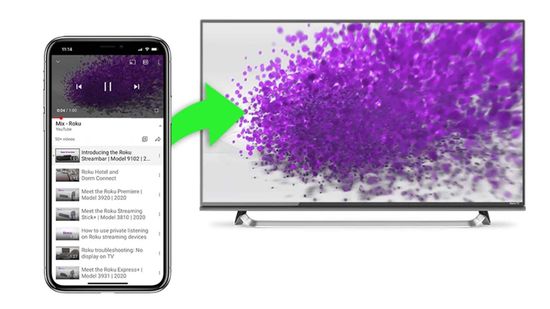
How to Cast Roku to Your TV

How to Download Music From YouTube

How Walkie-talkies Work

Why weren't The Beatles on iTunes?

History of Radio Pictures
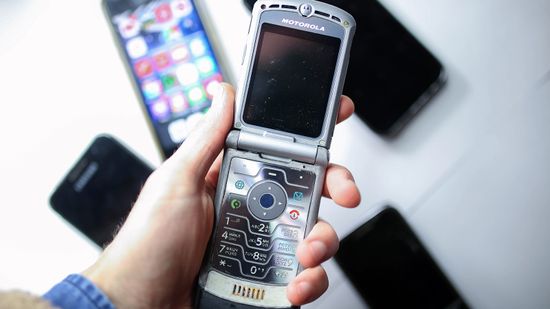
What’s Been the Best Selling Phone in the World?

Who Called Me From This Phone Number? Need-to-know Tips

LTE Meaning: Understanding the Cell Phone Technology
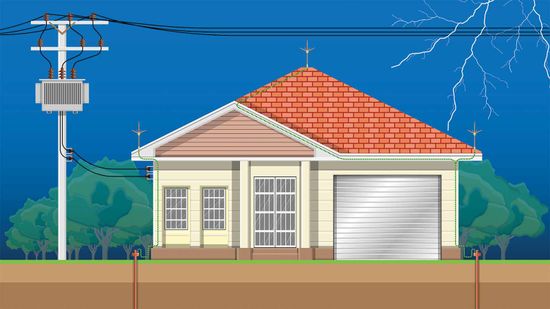
Does Your Home Need a Whole-house Surge Protector?
Inside an Electric Motor

LCD vs. LED: What's the Difference Between the Displays?

Can You Use Your Phone on a Plane? Furthermore, Should You?

5 Myths About Mark Zuckerberg

Top 5 Myths About Bill Gates
Learn More
In our increasingly digital world, data centers are the unseen backbone of the internet.

Artificial intelligence is changing how we live, work, and interact with technology. From virtual assistants to self-driving cars, AI powers many of the tools we rely on.

When it comes to typing a message, font choice can sometimes add a creative touch to your work, but for mass media formats like newspapers, academic papers, TV and popular web sites, sticking to a legible font is often more important than the flourish of decorative fonts.
By Talon Homer
Advertisement

Geofencing is a technology quietly reshaping the marketing and consumer engagement landscape. It establishes virtual boundaries around physical spaces, linking your device to businesses and services effortlessly. When you step across these boundaries, you receive timely messages - discounts, event reminders or exclusive offers - all customized to your location.

Time flies in the age of the internet. How did we ever live without these 10 things?
By John Donovan
Why does a parking garage display a sign saying it's full when it's not, and vice versa?
By Dave Roos
Can such a simple communication technology still be of use? To people in these professions, the answer is yes, even in the 21st century.
Advertisement

As we live out our lives in these modern times we have access to an unprecedented wealth of technology. Things like robot vacuum cleaners, video phones and 3D printers that were considered science fiction just 20 years ago are now commonplace in many developed countries. But even though today's technology didn't exist in its precise [...] The post 15 Modern Technological Marvels That Have Been Around A Lot Longer Than You Think appeared first on Goliath.
By Wes Walcott

If you're reading this, you're using a disruptive technology - one that's completely changed how we do things. In fact, you're using an assortment of these game-changers all the time.

Are you a fan of a certain kind of product or gadget? Well, don't get too attached to it. There's probably a disruptive technology on the horizon that will send that gadget to the dustbin of history.
By Beth Brindle

The modern farm has more in common with Silicon Valley than you might think. Here's a look at some of the top technologies advancing the agriculture industry.
By Chris Opfer
Advertisement
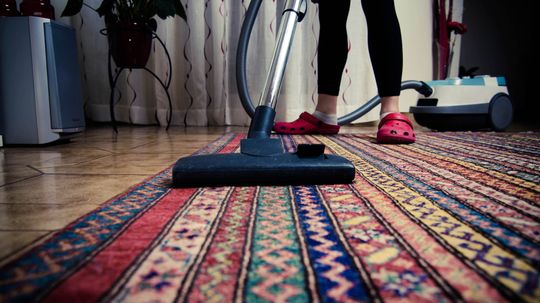
It sounds like a complicated process doesn't it? But once you remember a little about centrifugal and centripetal forces, you can easily understand the swirling, whirling world of cyclonic separation.

That tube you put your check or deposit slip in at the bank drive-up window is called a pneumatic tube. This was cutting edge 19th-century technology and is still in use today.

We all like our gadgets, especially those that make live easier or just plain fun. Take a look at some of the most sold electronics out there to see if your favorite made the list.

Technology can help cheaters connect with paramours -- but it can also leave a trail that gets them caught. How does our connection to the digital world make it easier to expose infidelity?
Advertisement

Simple DIY devices can profoundly affect people's lives, improving their health and living conditions. We've gathered 10 homebuilt technologies that can be put together using easy-to-find resources and limited science and engineering know-how.

Touch-screen technology makes navigating devices like smartphones and tablet PCs easy as pie, but there's a dirty downside. Is there a way to avoid the smudges and prints that our fingers leave behind?
5 Ways to extend the life of your household batteries. Learn the 5 ways you can extend the life of household batteries.

Touch screens are useful, assuming you don't drop and break them, or scratch them up in your pocket or purse. How do you make abuse-resistant glass? Ask Corning.
Advertisement

The days of the cell phone are numbered. Superior technology has already surpassed it and is now moving on to the next level. Which cutting-edge technologies are here to stay and which are flashes in a pan?

Your appliances use electricity all day, whether you're there or not. Some manufacturers are helping consumers out by making their electronics more efficient.
By Dave Roos

Ever wonder how flat cell phone keys vibrate to let you know you've pressed a button? It's called haptics, and you can use it for lots more than just phones.
By William Harris & Zach Taras
Has your storage closet turned into a gadget graveyard, where your old electronics go to die? Most people are forgoing the cell-phone cemetery and discarding their devices as e-waste.
Advertisement

Forget the wooden stake -- the only thing that stops this vampire is unplugging your electronics. Vampire power sucks energy at a rate that would make anyone scream in horror.
By Robert Lamb
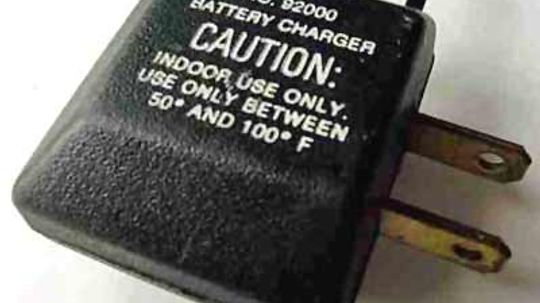
A typical home probably has five to 10 transformers plugged into the wall at any given time. It turns out that these transformers consume power whenever they are plugged in, whether they are connected to a device or not.