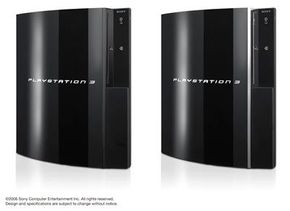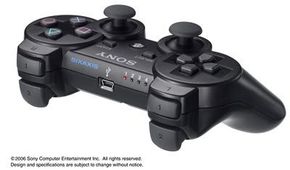
The Sony PlayStation dynasty has ruled the console market since the introduction of the original PlayStation in 1994. There are 13,000 video game titles available worldwide for PlayStation products, and more are released monthly. Sony plans to continue its market dominance with the latest version of its successful console, the PlayStation 3.
In this article, we'll take an in-depth look at the PlayStation 3. We'll learn about the ground-breaking new microprocessor at the heart of the PS3, the powerful graphics processor that supports hi-def graphics at unprecedented resolutions and the console's controller makeover, among other things.
Advertisement
Sony designed the PlayStation 3 to be more than just a video game console. It supports all kinds of digital entertainment and is basically a home-entertainment computer. This computer sports a specially designed CPU called the Cell processor. Sony, Toshiba and IBM worked together to develop the Cell processor. It's their answer to the growing trend toward multi-core processing, in which manufacturers place as many processors as possible onto one chip. The Cell processor is scalable for different performance needs. The one used in the PlayStation 3 crams 234 million transistors onto a single die. For comparison, one of the most powerful desktop PC CPUs available in 2005, the $1,000, dual-core Pentium Processor Extreme Edition, just barely breaks the 200-million-transistor mark.
Advertisement