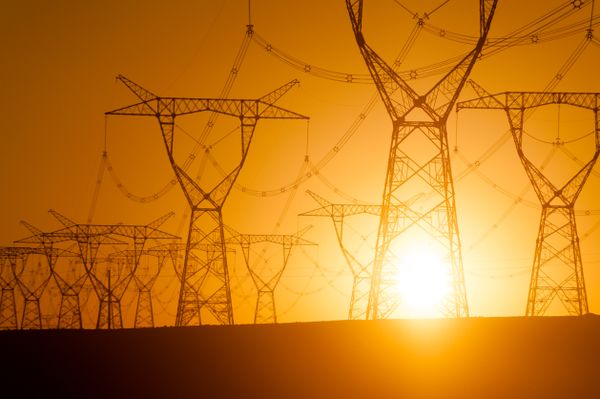
Unless you are particularly organized and good with tie wrap, you probably have a few dusty power cord tangles around your home. You may have even had to follow one particular cord through the seemingly impossible snarl to the outlet, hoping that the plug you pull will be the right one. This is one of the downfalls of electricity. While it can make people's lives easier, it can add a lot of clutter in the process.
For these reasons, scientists have tried to develop methods of wireless power transmission that could cut the clutter or lead to clean sources of electricity. While the idea may sound futuristic, it isn't particularly new. Nicola Tesla proposed theories of wireless power transmission in the late 1800s and early 1900s. One of his more spectacular displays involved remotely powering lights in the ground at his Colorado Springs experiment station.
Advertisement
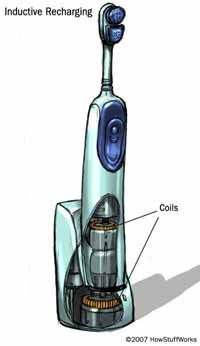
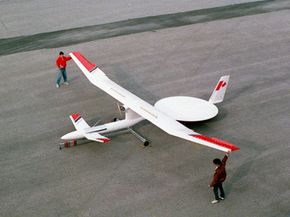
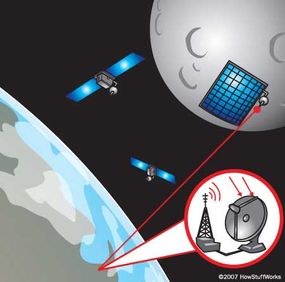
Tesla's work was impressive, but it didn't immediately lead to widespread, practical methods for wireless power transmission. Since then, researchers have developed several techniques for moving electricity over long distances without wires. Some exist only as theories or prototypes, but others are already in use. If you have an electric toothbrush, for example, you probably take advantage of one method every day.
The wireless transmission of energy is common in much of the world. Radio waves are energy, and people use them to send and receive cell phone, TV, radio and WiFi signals every day. The radio waves spread in all directions until they reach antennae that are tuned to the right frequency. A similar method for transferring electrical power would be both inefficient and dangerous.
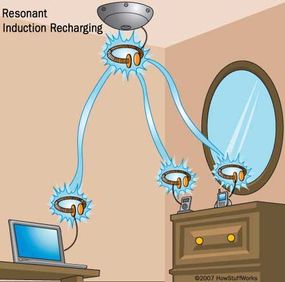
For example, a toothbrush's daily exposure to water makes a traditional plug-in charger potentially dangerous. Ordinary electrical connections could also allow water to seep into the toothbrush, damaging its components. Because of this, most toothbrushes recharge through inductive coupling. See the next page to learn more about how inductive coupling works.
Advertisement