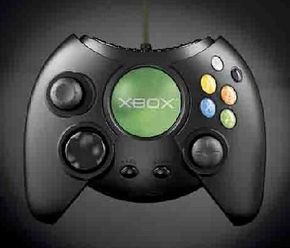
The game consoles that are available today are never enough for video gamers; their attention is always focused on what the next great thing will be. In 2000, it was the PlayStation 2. The game console wars heated up as Nintendo unveiled its latest console, called GameCube. But the big news was that the computer software giant Microsoft entered the multi-billion dollar game console market with the Xbox.
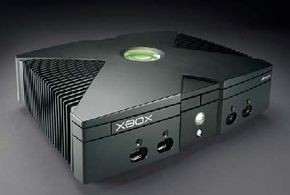
The console is a black box with a large "X" imprinted into the top. Microsoft Chairman Bill Gates has said that the Xbox has more power than any console currently on the market.
Advertisement
Microsoft says that its marketing for the Xbox has been the largest effort ever for one of its products. In fact, the Xbox's marketing budget is the largest for any game console in history, easily surpassing Sega's $100 million campaign in 1998.
On paper, the Xbox has more brute power and speed than any game console on the market. In this edition of HowStuffWorks, we'll take a look at this machine and see how it compares to the competition.
Advertisement